1:1 Personalized Plastic Surgery & International Patient Concierge in Gangnam, Seoul


Deep Layer Facelift (SMAS Facelift) · Personalized Quote
SMAS Facelift
A SMAS Facelift is an advanced surgical facial rejuvenation procedure designed to treat visible signs of aging by lifting not only the skin but also the deeper structural tissues of the face.
Schedule a ConsultationOverview
A SMAS Facelift (Superficial Muscular Aponeurotic System facelift) is an advanced surgical facial rejuvenation procedure designed to treat visible signs of aging by lifting not only the skin but also the deeper structural tissues of the face. Unlike traditional skin-only facelifts, which primarily tighten the surface layer, the SMAS facelift technique targets the underlying SMAS layer, a fibromuscular structure responsible for supporting facial contours and expressions.
As aging progresses, the SMAS layer gradually weakens and descends due to gravity, collagen loss, and changes in soft-tissue volume. This process contributes to sagging cheeks, jowl formation, nasolabial fold deepening, and loss of jawline definition. By repositioning the deeper tissues rather than simply tightening the skin, a deep-plane structural facelift can create more natural-looking and longer-lasting results.
Understanding the SMAS Layer and Facial Aging
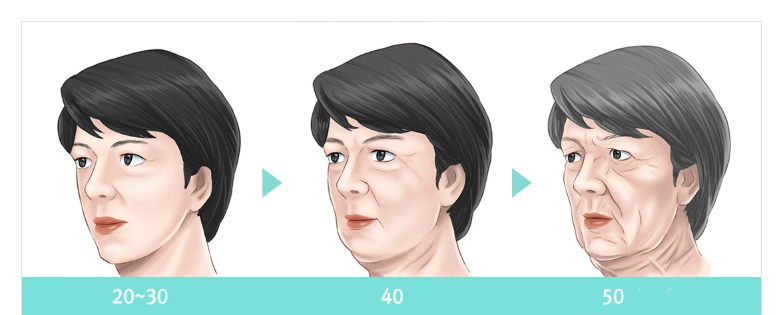
The Superficial Muscular Aponeurotic System (SMAS) is a continuous fibrous network connecting facial muscles to the skin. It plays a critical role in facial movement, structural support, and soft-tissue positioning. Over time, weakening of the SMAS support system leads to downward displacement of facial fat compartments and skin laxity.
Because facial aging affects multiple layers—including skin, fat, and muscular support structures—procedures that address only the skin often fail to provide durable rejuvenation. A SMAS facelift procedure focuses on repositioning these deeper anatomical layers to restore youthful facial balance while preserving natural facial identity.
Personalized Treatment Planning Based on Individual Aging Patterns
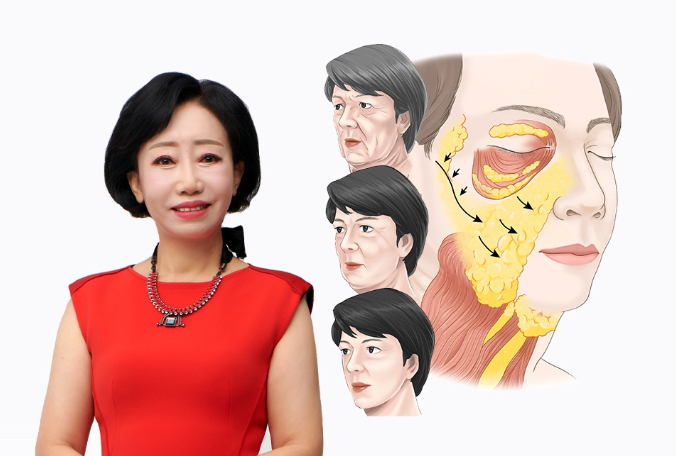
Facial aging does not occur uniformly across all individuals. Some people experience early midface descent in their 30s or 40s, while others develop more pronounced jawline laxity, neck sagging, or deep facial folds in later decades. For this reason, modern facial rejuvenation surgery emphasizes individualized assessment rather than a one-method-fits-all approach.
During consultation and planning, surgeons typically evaluate:
- Degree of skin elasticity and thickness
- Extent of SMAS layer laxity
- Fat distribution and volume loss
- Facial symmetry and anatomical structure
- Patient expectations and long-term goals
A personalized SMAS facelift plan helps ensure that surgical correction addresses the underlying causes of aging rather than only superficial appearance.
How the SMAS Facelift Procedure Works
Although specific surgical approaches may vary, the general process of a SMAS facelift surgery typically includes several structured steps:
1. Preoperative Evaluation
A detailed facial examination is conducted to determine the direction and severity of tissue descent. Surgical markings are carefully planned along natural skin creases and hairline areas to minimize visible scarring.
2. Anesthesia Administration
The procedure is commonly performed under sedation or general anesthesia, depending on the surgical plan and patient condition.
3. Incision Placement
Incisions are typically positioned discreetly around the ear and hairline to allow access to deeper facial layers while maintaining aesthetic scar concealment.
4. SMAS Layer Repositioning
The surgeon lifts and adjusts the SMAS structural layer, tightening or repositioning the deeper tissues to restore facial support and contour.
5. Skin Redraping Without Excess Tension
After structural lifting is completed, the skin is gently repositioned over the newly adjusted framework. Because tension is placed on deeper tissues rather than the skin itself, the outcome often appears more natural.
6. Closure and Recovery Preparation
Incisions are carefully closed, and patients receive detailed postoperative care instructions to support healing and recovery.
The surgical duration typically ranges around 2–3 hours, depending on the complexity of the procedure and whether additional facial areas are treated.
Benefits of a Structural SMAS Facelift

A structural facelift technique can provide several potential improvements when appropriately planned and performed. These may include:
- Improved jawline definition
- Reduction of jowls
- Elevation of midface tissues
- Softening of nasolabial folds
- Restoration of smoother facial contours
- Longer-lasting results compared with superficial lifting methods
Because the procedure addresses the deeper support structures, the longevity of SMAS facelift results is often greater than procedures that only tighten the skin surface.
Recovery Timeline and Postoperative Care
Recovery following a SMAS facelift surgery varies depending on individual healing capacity and the extent of correction performed. In many cases:
- Mild swelling and bruising occur during the early recovery period
- Sutures are generally removed within approximately 7–10 days
- Gradual improvement in facial contours continues over several weeks
- Patients are advised to temporarily limit strenuous activities
Careful adherence to postoperative instructions, including wound care and scheduled follow-up visits, plays an important role in optimizing healing outcomes.
Who May Be Suitable Candidates for a SMAS Facelift?
A SMAS facelift procedure may be considered for individuals experiencing moderate to advanced facial aging changes that cannot be effectively corrected through non-surgical treatments alone. Potential candidates often include those who:
- Notice visible facial sagging or jowl formation
- Experience significant nasolabial fold deepening
- Desire long-lasting facial rejuvenation
- Seek natural-looking results rather than over-tightened skin
- Are generally in good health for elective surgical procedures
A thorough medical consultation helps determine whether a facelift surgery is appropriate based on health status, anatomical findings, and patient expectations.
Importance of Surgical Technique in Achieving Natural Results
The natural appearance of facelift outcomes depends heavily on surgical precision, anatomical knowledge, and individualized planning. Surgeons must carefully analyze:
- Direction of facial tissue descent
- Facial proportions and balance
- Skin elasticity and healing potential
- Distribution of facial volume
By adjusting the lifting vectors and repositioning tissues in harmony with natural facial anatomy, a modern SMAS facelift can restore youthful contours while preserving personal facial identity and expression.
Structural Rejuvenation vs. Skin Tightening Alone
One of the key advantages of the SMAS lifting technique is its ability to provide deep structural rejuvenation rather than temporary surface tightening. Skin-only facelifts may initially improve appearance, but because the underlying support system remains untreated, results may not last as long.
In contrast, a deep-layer facelift repositions the structural foundation of the face, allowing the overlying skin to drape naturally without excessive tension. This contributes to a smoother, softer, and more durable aesthetic outcome.
Safety Considerations and Preoperative Preparation
As with any surgical procedure, proper patient evaluation, medical screening, and treatment planning are essential components of safe facial plastic surgery. Preoperative preparation typically includes:
- Review of medical history and medications
- Evaluation of skin health and healing capacity
- Discussion of recovery expectations
- Planning of individualized surgical approach
Careful assessment ensures that patients receive appropriate guidance and helps minimize surgical risks.
Setting Realistic Expectations for Facial Rejuvenation

Patients considering a SMAS facelift should understand that the goal of the procedure is facial rejuvenation, not complete transformation. The surgery is designed to restore natural contours, improve structural support, and create a refreshed appearance consistent with the individual’s facial features.
Clear communication between patient and surgeon regarding desired outcomes, healing timelines, and long-term expectations plays an essential role in achieving satisfactory results.
Advances in Modern SMAS Facelift Techniques
Ongoing refinements in facial plastic surgery techniques have enhanced the safety, predictability, and natural appearance of SMAS facelift procedures. Contemporary approaches emphasize:
- Anatomically precise deep-layer lifting
- Minimally visible incision placement
- Balanced repositioning of facial tissues
- Preservation of natural facial movement
- Structured postoperative recovery protocols
These developments contribute to improved long-term outcomes and greater patient satisfaction.
Conclusion
The SMAS Facelift is a comprehensive facial rejuvenation surgery that targets the deeper anatomical layers responsible for structural facial aging. By repositioning the SMAS support system, the procedure helps restore youthful facial contours, improve jawline definition, and reduce sagging while maintaining natural facial expression.
Because facial aging patterns differ among individuals, a personalized surgical approach, careful medical evaluation, and realistic expectation setting are essential for optimal outcomes. When performed with appropriate planning and technique, a SMAS structural facelift can provide meaningful and long-lasting facial rejuvenation while preserving each patient’s unique appearance.
Other Services
Explore additional treatments offered by our specialists.

Forehead Lift Surgery
Forehead lift surgery is a facial surgical procedure intended to address age-related changes in the upper face, particularly the forehead, eyebrow region, and the glabellar area between the eyebrows.
Learn More

Breast Surgery
Breast Surgery encompasses a range of procedures designed to improve breast shape, size, symmetry, position, and overall harmony with the body.
Learn More

Jaw Reduction
Jaw reduction surgery is a facial bone contouring procedure designed to soften a wide or angular lower face by reshaping the mandibular angle and jawline.
Learn More