1:1 Personalized Plastic Surgery & International Patient Concierge in Gangnam, Seoul


Upper Eyelid Surgery · Personalized Quote
Ptosis Correction & Eye Shape Adjustment
Ptosis correction and eye shape adjustment is a specialized oculoplastic surgical approach designed to address drooping of the upper eyelid and related eye shape imbalance.
Schedule a Consultation
A Medical Overview of Functional and Aesthetic Upper Eyelid Surgery
Ptosis correction and eye shape adjustment is a specialized oculoplastic surgical approach designed to address drooping of the upper eyelid and related eye shape imbalance. Ptosis, commonly referred to as eyelid drooping, may affect one or both eyes and can influence not only facial appearance but also visual function. When left uncorrected, ptosis may cause the eyes to appear tired, heavy, or asymmetrical, and in some cases may interfere with normal vision.
At B:ON Plastic Surgery, ptosis correction and eye shape adjustment are approached as both a functional and aesthetic procedure. Under the direct care of Dr. Hwang Gwi-hwan, surgical planning emphasizes anatomical analysis, individualized correction, and preservation of natural eye movement and expression. This article provides a medical overview of ptosis correction and eye shape adjustment, including causes, indications, surgical methods, recovery, and expected outcomes.
Understanding Ptosis and Eye Shape Imbalance
Ptosis is a condition in which the upper eyelid sits lower than normal, partially covering the pupil. It may be congenital or acquired and can vary in severity from mild to severe. Ptosis is often related to dysfunction or weakness of the muscles responsible for lifting the eyelid, particularly the levator muscle.
Eye shape imbalance may occur alongside ptosis due to differences in muscle strength, skin thickness, eyelid fat distribution, or eyebrow position. These factors can cause:
- A tired or drowsy appearance
- Eyes that appear smaller or uneven
- Increased effort required to open the eyes
- Compensatory eyebrow elevation
- Visual obstruction in more severe cases
Because ptosis affects both appearance and function, surgical correction requires careful evaluation rather than surface-level cosmetic adjustment.
What Is Ptosis Correction & Eye Shape Adjustment?
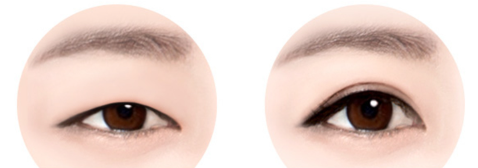
Ptosis correction is a surgical procedure aimed at improving the position and function of the upper eyelid by adjusting the muscles responsible for eyelid elevation. Eye shape adjustment refers to refining the contour, balance, and symmetry of the eyes in conjunction with ptosis correction.
At B:ON Plastic Surgery, ptosis correction and eye shape adjustment are considered together, as correcting eyelid height alone may not achieve balanced or natural results. The procedure is designed to:
- Improve eyelid opening
- Restore symmetrical eye appearance
- Maintain functional blinking and eye comfort
- Achieve a natural and proportionate eye shape
Individualized Surgical Planning
A key principle of ptosis correction at B:ON Plastic Surgery is customized surgical planning. The degree of ptosis and the appropriate surgical technique vary depending on multiple factors, including:
- Severity of eyelid drooping
- Strength and condition of the eyelid muscles
- Skin thickness and eyelid fat distribution
- Existing eye shape and symmetry
- Patient age and facial structure
Dr. Hwang Gwi-hwan conducts direct, one-to-one consultations to evaluate eyelid function, muscle movement, and eye opening dynamics. This detailed assessment allows the surgical approach to be tailored precisely to the patient’s condition.
Functional Considerations in Ptosis Correction

Ptosis correction is not performed solely for aesthetic reasons. In many patients, eyelid drooping may affect visual clarity and comfort. When the eyelid covers part of the pupil, it can reduce the visual field and require constant effort to raise the eyebrows or tilt the head upward.
Surgical correction aims to:
- Improve the functional opening of the eyes
- Reduce strain on the forehead and brow muscles
- Support comfortable, natural blinking
By addressing both muscle function and eyelid position, the procedure supports long-term functional stability.
Surgical Techniques: Incisional and Non-Incisional Approaches
Ptosis correction and eye shape adjustment may be performed using different techniques depending on the patient’s condition.
Incisional Technique
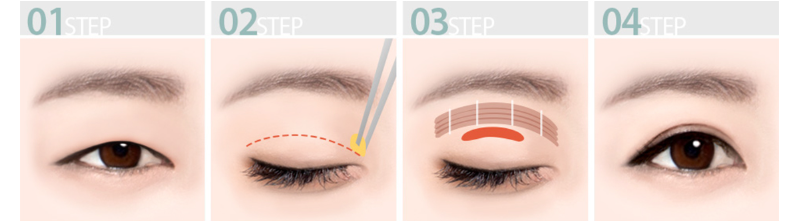
The incisional approach involves precise adjustment of the eyelid-opening muscles through a carefully planned incision. This method allows direct access to the muscle structures and may be suitable for moderate to severe ptosis or cases requiring detailed muscle control.
Non-Incisional Technique
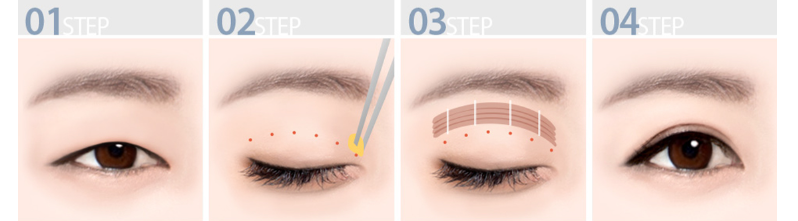
The non-incisional approach corrects eyelid function without creating a skin incision. This technique may be considered in selected cases where minimal correction is required and faster recovery is desired.
At B:ON Plastic Surgery, the choice of technique is based on clinical evaluation, not patient preference alone, ensuring the method aligns with functional needs and anatomical conditions.
Precision in Muscle Adjustment
Accurate muscle control is central to successful ptosis correction. Over-correction or under-correction may result in unnatural eyelid height, discomfort, or asymmetry.
The surgical approach emphasizes:
- Careful analysis of eyelid muscle strength
- Balanced adjustment of lifting force
- Preservation of natural eyelid movement
This precision is intended to produce stable, predictable outcomes while maintaining eye comfort.
Anesthesia and Surgery Duration
Ptosis correction and eye shape adjustment at B:ON Plastic Surgery are typically performed under sleep anesthesia or local anesthesia, depending on the surgical method and patient condition.
The average surgery time ranges from approximately 30 minutes to 1 hour, depending on whether an incisional or non-incisional technique is used and whether additional adjustments are required.
Safety and Hygiene Standards
Patient safety is a foundational aspect of surgical care. The clinic follows established medical protocols related to:
- Preoperative evaluation
- Sterile surgical conditions
- Systematic postoperative monitoring
These measures are designed to minimize surgical risk and support a stable recovery process.
Recovery and Postoperative Care
Recovery following ptosis correction and eye shape adjustment is structured to allow patients to resume daily activities with minimal disruption.
Based on the provided information:
- Most patients return home on the same day
- Swelling and mild discomfort may occur temporarily
- Daily activities may be resumed gradually
Suture removal is typically performed around 7 days after surgery, depending on healing progress. Recovery time may vary based on surgical method and individual response.
Expected Outcomes

The goal of ptosis correction and eye shape adjustment is to achieve functional improvement and natural eye balance rather than dramatic cosmetic change. Expected outcomes may include:
- Improved eyelid opening
- Reduced appearance of eye fatigue
- Enhanced eye symmetry
- A clearer and more alert facial expression
Results are intended to harmonize with the patient’s overall facial features while preserving natural movement.
Who May Be a Candidate for Ptosis Correction & Eye Shape Adjustment
This procedure may be considered for individuals who experience:
- Drooping eyelids affecting eye opening
- Eyes that appear uneven or asymmetrical
- Difficulty fully opening the eyes
- A desire for functional improvement with natural aesthetic balance
Final candidacy is determined through medical consultation and assessment of eyelid anatomy and function.
Clinical Philosophy at B:ON Plastic Surgery
The clinical approach reflected in ptosis correction and eye shape adjustment includes:
- Direct consultation and surgical involvement by Dr. Hwang Gwi-hwan
- Emphasis on anatomical accuracy and functional outcomes
- Respect for individual facial characteristics
- Continuous clinical research and academic activity
This philosophy supports treatment decisions based on medical principles and long-term stability.
Ptosis Correction and Facial Harmony
The eyes play a central role in facial expression. Correcting eyelid drooping and eye shape imbalance may influence overall facial balance without altering personal identity.
By addressing both muscle function and aesthetic proportion, ptosis correction and eye shape adjustment aim to restore clarity and balance to the upper face.
Conclusion
Ptosis correction and eye shape adjustment is a specialized surgical approach that addresses both functional and aesthetic aspects of eyelid drooping and eye imbalance. Through individualized assessment, precise muscle adjustment, and structured postoperative care, the procedure aims to improve eyelid function while maintaining natural appearance.
At B:ON Plastic Surgery, ptosis correction and eye shape adjustment are performed under the direct care of Dr. Hwang Gwi-hwan, with attention to medical accuracy, patient safety, and anatomical balance. When appropriately indicated, the procedure may provide stable and natural improvement for patients experiencing eyelid drooping or eye shape concerns.
Other Services
Explore additional treatments offered by our specialists.

Forehead Lift Surgery
Forehead lift surgery is a facial surgical procedure intended to address age-related changes in the upper face, particularly the forehead, eyebrow region, and the glabellar area between the eyebrows.
Learn More
Breast Surgery
Breast Surgery encompasses a range of procedures designed to improve breast shape, size, symmetry, position, and overall harmony with the body.
Learn More

Jaw Reduction
Jaw reduction surgery is a facial bone contouring procedure designed to soften a wide or angular lower face by reshaping the mandibular angle and jawline.
Learn More