1:1 Personalized Plastic Surgery & International Patient Concierge in Gangnam, Seoul


Breast Enhancement Surgery · Personalized Quote
Lipoma Removal
Lipoma removal is a surgical procedure performed to treat lipoma, a benign soft-tissue tumor composed of mature fat cells.
Schedule a ConsultationOverview
Lipoma removal is a surgical procedure performed to treat lipoma, a benign soft-tissue tumor composed of mature fat cells. Lipomas commonly develop beneath the skin and are typically slow-growing, soft, and movable. Although most lipomas are harmless, surgical removal may be recommended when the mass increases in size, causes discomfort, affects appearance, or requires diagnostic confirmation.
At B:ON Plastic Surgery, lipoma removal is conducted using a medically structured approach that emphasizes accurate diagnosis, endoscopic precision, and patient safety. Procedures are carefully planned based on individual anatomy and clinical findings rather than a standardized method.
What Is a Lipoma?
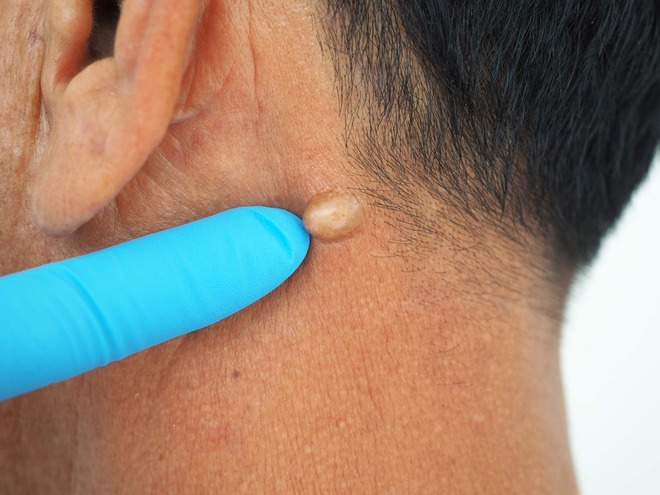
A lipoma is a benign tumor formed from adipose (fat) tissue. It can occur almost anywhere in the body where fat tissue is present, but it most commonly develops in the subcutaneous layer beneath the skin.
Typical characteristics of lipoma include:
- Soft or rubbery texture
- Slow growth over time
- Painless in most cases
- Mobility under the skin
Lipomas are among the most common benign soft-tissue tumors and may occur in adults of various ages. In some cases, lipomas may gradually increase in size over several years.
When Lipoma Removal Is Considered
Not all lipomas require surgical treatment. Removal is usually considered when one or more of the following conditions are present:
- The mass continues to grow
- The lipoma becomes visibly noticeable
- Pressure or discomfort develops
- Functional movement is affected
- Diagnostic clarification is required
Some lipomas may grow beyond 10 cm over time (giant lipomas), which can increase the likelihood of discomfort or interference with surrounding structures.
Importance of Accurate Diagnosis
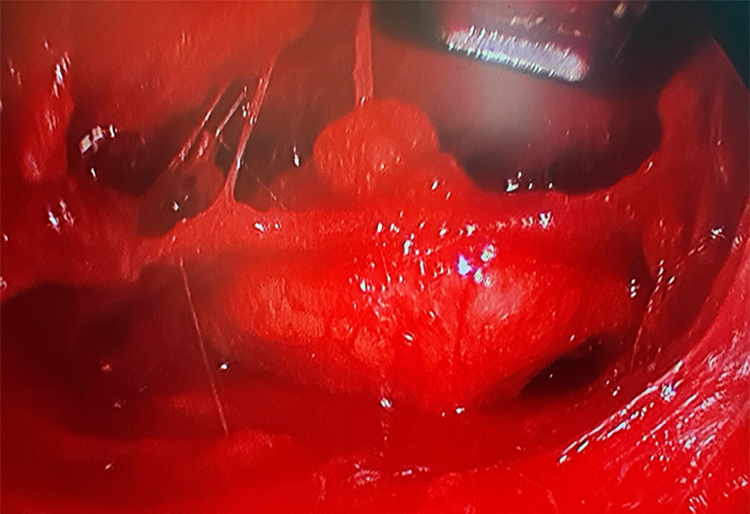
Before lipoma removal, proper diagnosis is essential to ensure patient safety and appropriate treatment planning.
Clinical Examination
The physician evaluates:
- Size and location of the mass
- Texture and mobility
- Skin condition overlying the lesion
Imaging and Diagnostic Tests
While many lipomas can be diagnosed clinically, additional tests may be used when necessary:
- Ultrasound for structural evaluation
- CT or MRI to assess size, depth, and surrounding tissue relationships
- Histopathological examination after removal to confirm diagnosis
These steps help differentiate lipomas from other soft-tissue tumors and ensure accurate treatment.
Endoscopic Lipoma Removal Technique
One of the distinguishing features of lipoma removal at B:ON Plastic Surgery is the use of full HD endoscopic equipment.
Key Characteristics
- Small incision (approximately 1.5–2 cm)
- Endoscopic visualization of internal structures
- Precise identification and removal of the lipoma
- Reduced tissue trauma
Because the incision is placed in a carefully selected location, visible scarring is minimized, even shortly after surgery.
Surgical Procedure Overview
Step 1: Anesthesia
Lipoma removal is typically performed under sedation anesthesia, allowing patient comfort while maintaining precise surgical control.
Step 2: Minimal Incision
A small incision is made to access the lipoma while minimizing damage to surrounding tissue.
Step 3: Endoscopic Removal
Using endoscopic guidance, the lipoma is carefully separated and removed while preserving adjacent nerves and structures.
Step 4: Closure and Recovery
After removal, the incision is closed, and the patient enters postoperative monitoring before discharge.
Procedure Duration and Hospitalization
- Surgical time: approximately 30–50 minutes
- Hospital stay: not required
- Outpatient procedure
Patients are typically discharged on the same day after stable recovery.
Pathological Examination
After removal, the excised tissue may undergo pathological examination to confirm the diagnosis and ensure that the lesion is benign.
This step is particularly important when:
- The lipoma is large
- Growth pattern is atypical
- Diagnostic confirmation is clinically necessary
Pathology results provide reassurance and support long-term care planning.
Postoperative Recovery and Follow-Up
Recovery Period
- Mild swelling or discomfort may occur temporarily
- Sutures are usually removed within 2–7 days
- Daily activities can often be resumed shortly after surgery
Follow-Up Visits
- Typically two outpatient visits
- Monitoring of wound healing and tissue stability
Patients receive personalized aftercare instructions to support proper healing.
Safety and Hygiene Standards
Lipoma removal is performed under strict surgical safety and hygiene protocols, including:
- Sterilized operating environments
- Careful incision planning
- Endoscopic visualization to reduce risk
- Continuous postoperative monitoring
These measures help minimize complications and support reliable outcomes.
Individualized Treatment Planning
Every lipoma differs in size, depth, and anatomical location. For this reason, treatment planning is individualized rather than standardized.
Through 1:1 personalized consultation, the physician explains:
- Diagnostic findings
- Recommended surgical approach
- Expected recovery timeline
This ensures transparency and informed decision-making for each patient.
Physician-Led Care From Consultation to Recovery
At B:ON Plastic Surgery, lipoma removal is managed directly by experienced physicians from the initial consultation through postoperative care. This continuity of care supports procedural accuracy, safety, and patient confidence.
Clinical Experience and Academic Engagement
The medical team maintains active involvement in clinical research and academic activities related to facial and soft-tissue surgery. Continuous study allows surgical techniques and diagnostic processes to remain aligned with current medical standards.
Expected Outcomes

When performed with precise technique and appropriate planning, lipoma removal may result in:
- Complete removal of the mass
- Improved contour and symmetry
- Minimal scarring
- Stable, long-term results
Final outcomes depend on individual anatomy and lipoma characteristics.
Who May Be a Candidate for Lipoma Removal
Lipoma removal may be considered for individuals who:
- Have a clinically diagnosed lipoma
- Experience growth or discomfort
- Seek definitive surgical management
- Are suitable candidates for sedation anesthesia
A comprehensive medical evaluation is required before surgery.
Conclusion
Lipoma removal is a safe and effective surgical solution for managing benign fatty tumors that affect comfort, appearance, or diagnostic clarity. Accurate diagnosis, minimally invasive endoscopic techniques, and individualized planning are essential to achieving reliable outcomes.
At B:ON Plastic Surgery, lipoma removal is approached as a medically precise procedure grounded in safety, anatomical understanding, and patient-centered care. From consultation to recovery, each step is carefully managed to support stable results and long-term satisfaction.
Other Services
Explore additional treatments offered by our specialists.

Forehead Lift Surgery
Forehead lift surgery is a facial surgical procedure intended to address age-related changes in the upper face, particularly the forehead, eyebrow region, and the glabellar area between the eyebrows.
Learn More

Breast Surgery
Breast Surgery encompasses a range of procedures designed to improve breast shape, size, symmetry, position, and overall harmony with the body.
Learn More

Jaw Reduction
Jaw reduction surgery is a facial bone contouring procedure designed to soften a wide or angular lower face by reshaping the mandibular angle and jawline.
Learn More