1:1 Personalized Plastic Surgery & International Patient Concierge in Gangnam, Seoul


Facial Contouring Surgery · Personalized Quote
Jaw Reduction
Jaw reduction surgery is a facial bone contouring procedure designed to soften a wide or angular lower face by reshaping the mandibular angle and jawline.
Schedule a Consultation
Jaw reduction surgery, medically referred to as mandibular angle reduction, is a facial bone contouring procedure designed to soften a wide or angular lower face by reshaping the mandibular angle and jawline. In individuals with a prominent or square jaw, the lower face may appear broad, heavy, or overly strong, which can disrupt overall facial balance. Jaw reduction aims to create a smoother, more proportionate lower facial contour while preserving functional stability and natural appearance.
At B:ON Plastic Surgery, jaw reduction is approached as a structurally focused procedure that considers facial proportions, bone thickness, muscular anatomy, and individual aesthetic goals. Rather than excessive bone removal, the procedure emphasizes controlled reshaping and precise contour refinement.
Understanding Jaw Prominence and Facial Width
The mandibular angle plays a central role in determining lower facial width and contour. In some individuals, the jaw may appear prominent due to:
- A wide mandibular angle
- Thick or protruding jawbone structure
- Strong angular transitions along the lower face
- Jawline visibility from frontal and side views
In many Korean patients, jaw prominence often presents as a combination of bone width and angular shape, rather than vertical length alone. This can cause the face to appear large or rigid, even when facial soft tissue volume is minimal. Addressing this anatomical feature requires careful analysis, as overcorrection may compromise facial harmony or natural proportions.
Indications for Jaw Reduction Surgery
Jaw reduction may be considered for individuals who experience:
- A wide or square lower face
- Broad jaw width that makes the face appear large
- Strong or sharp mandibular angles
- Desire for a smoother V-line facial contour
- Prominent jawline visible from the side profile
Proper candidate selection is essential. A detailed consultation and diagnostic evaluation help determine whether jaw reduction alone is appropriate or whether it should be combined with other facial contouring procedures to achieve balanced results.
Surgical Time, Anesthesia, and Recovery
Based on the provided clinical information, jaw reduction surgery generally involves:
- Surgical duration: Approximately 1 hour
- Anesthesia: General anesthesia
- Hospitalization: Same-day discharge
- Initial recovery period: About 7 days
- Suture removal: Around 2 weeks after surgery
Recovery timelines may vary depending on individual anatomy and the extent of bone reshaping performed.
Surgical Approach and Safety Considerations
Intraoral Surgical Access
Jaw reduction surgery is performed through an intraoral incision, meaning the surgical access is made inside the mouth. This approach eliminates visible external scarring and allows direct access to the mandibular bone while preserving facial skin integrity.
Protection of Nerves and Soft Tissue
Special attention is given to anatomical pathways to reduce the risk of nerve injury. By carefully separating surrounding muscles and soft tissue, the procedure minimizes trauma and supports stable postoperative recovery. This surgical design prioritizes safety while maintaining functional outcomes.
Step-by-Step Jaw Reduction Procedure
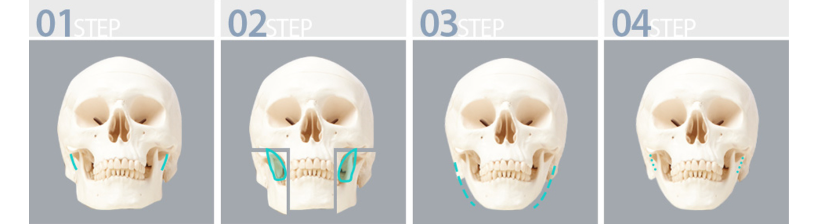
The jaw reduction procedure follows a structured and methodical sequence:
Intraoral incision
A surgical incision is made inside the mouth to access the jawbone.Muscle separation
Surrounding muscles are carefully separated to expose the mandibular angle safely.Jawbone reshaping
The protruding or angular portion of the jawbone is reshaped to soften the contour.Smooth contour refinement
The jawline is refined to create a natural and continuous lower facial line.Closure and suturing
The incision is closed securely to support healing and stability.
This approach focuses on gradual contouring rather than aggressive bone removal, helping maintain natural facial structure.
Key Characteristics of Jaw Reduction at B:ON Plastic Surgery
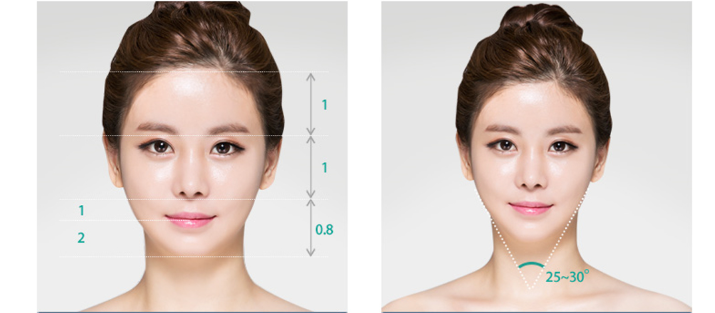
Individualized Bone Resection
Jaw reduction is not performed using a standardized amount of bone removal. The degree of reshaping is determined by the patient’s bone thickness, facial width, and desired outcome. Surgical judgment plays a critical role in determining how much bone should be removed or contoured.
Emphasis on Natural V-Line Formation
The procedure aims to create a smooth transition from the jawline to the chin, forming a balanced V-line rather than a sharply narrowed appearance. This approach helps maintain natural facial proportions.
Stable Structural Outcome
Rather than weakening the jaw structure, the surgery focuses on controlled reshaping that preserves mandibular stability. This reduces the risk of postoperative complications related to bone integrity.
Advantages of Jaw Reduction Surgery
When performed with appropriate indications and technique, jaw reduction may provide:
- Reduction of lower facial width
- Softer and more refined jawline
- Improved facial balance and proportion
- A smoother V-line contour
- Natural appearance without excessive narrowing
The goal is to achieve harmony between the lower face and other facial features rather than dramatic alteration.
Combination with Other Facial Contouring Procedures
Jaw reduction is sometimes performed in combination with cheekbone reduction to address overall facial width. When both the midface and lower face contribute to a broad facial appearance, a combined approach may provide more cohesive results.
Combination planning considers:
- Relative prominence of cheekbones and jaw
- Facial width distribution
- Side profile and frontal balance
- Patient expectations and anatomical limits
A comprehensive treatment plan ensures that each facial region complements the others.
Postoperative Recovery and Management
After jaw reduction surgery, swelling and discomfort are expected during the initial recovery period. These symptoms gradually decrease with time and appropriate postoperative care.
Postoperative management focuses on:
- Swelling control and recovery monitoring
- Oral hygiene management for intraoral incisions
- Gradual return to daily activities
- Ongoing assessment of jaw contour stability
Most patients can resume normal daily routines after the initial recovery phase, following clinical guidance.
Importance of Surgical Expertise

Jaw reduction surgery requires a thorough understanding of facial bone anatomy and functional biomechanics. At B:ON Plastic Surgery, the procedure is performed by Dr. Hwang Ki-hwan, who directly manages consultation, surgical planning, and postoperative follow-up.
Key principles guiding the procedure include:
- One-to-one personalized consultation
- Conservative and anatomically guided bone reshaping
- Emphasis on safety and long-term stability
- Continuous academic research and clinical experience
Rather than applying a uniform surgical approach, each procedure is tailored to the patient’s facial structure.
A Patient-Centered Approach to Lower Facial Balance
Jaw reduction is not simply about reducing jaw size. Over-resection can lead to an unnatural appearance, while insufficient contouring may not adequately address facial width concerns. Achieving a balanced outcome requires precise analysis and careful execution.
By considering facial proportions, bone thickness, and aesthetic preferences, jaw reduction can support both functional integrity and visual harmony.
Conclusion
Jaw reduction surgery is a specialized facial bone contouring procedure designed to soften a wide or angular lower face and improve overall facial balance. Through controlled bone reshaping, intraoral surgical access, and structured postoperative care, the procedure can be performed safely with predictable outcomes.
At B:ON Plastic Surgery, jaw reduction is approached as a medically precise intervention focused on anatomical stability, natural contours, and individualized treatment planning. This structured and patient-centered approach makes the procedure suitable for individuals seeking refined lower facial balance through evidence-based surgical care.
Other Services
Explore additional treatments offered by our specialists.

Forehead Lift Surgery
Forehead lift surgery is a facial surgical procedure intended to address age-related changes in the upper face, particularly the forehead, eyebrow region, and the glabellar area between the eyebrows.
Learn More

Breast Surgery
Breast Surgery encompasses a range of procedures designed to improve breast shape, size, symmetry, position, and overall harmony with the body.
Learn More
Jaw Reduction
Jaw reduction surgery is a facial bone contouring procedure designed to soften a wide or angular lower face by reshaping the mandibular angle and jawline.
Learn More