1:1 Personalized Plastic Surgery & International Patient Concierge in Gangnam, Seoul


Hump Nose Reduction Surgery · Personalized Quote
Hump Nose Correction
Hump nose correction is a rhinoplasty procedure designed to improve the contour of the nasal bridge by addressing a protruding or uneven dorsal profile.
Schedule a Consultation
Understanding Hump Nose Correction
Hump nose correction is a rhinoplasty procedure designed to improve the contour of the nasal bridge by addressing a protruding or uneven dorsal profile. A nasal hump may appear as a bony or cartilaginous prominence along the bridge of the nose and can significantly influence facial balance and first impressions.
At B:ON Plastic Surgery, hump nose correction is approached as a cause-based and proportion-focused procedure. Rather than simply reducing the hump, the surgery evaluates the entire nasal structure, including the relationship between the nasal bridge, nasal tip, and surrounding facial features. This comprehensive approach helps achieve natural and stable results while avoiding excessive flattening or imbalance.
Modern rhinoplasty principles emphasize that a smooth nasal profile is not defined by height alone, but by how well the bridge integrates with the tip and overall facial proportions.
What Is a Hump Nose?

A hump nose refers to a nasal bridge that appears uneven or raised due to underlying bone or cartilage prominence. It may present in various forms, including:
- A visible dorsal bump on profile view
- An uneven nasal line that disrupts facial harmony
- A strong or sharp nasal impression
- An aged or rigid facial appearance
Hump noses may be congenital, meaning present from birth, or acquired due to trauma or previous nasal surgery. In some cases, the hump becomes more noticeable over time as facial proportions change.
Because the appearance of a hump nose varies between individuals, careful evaluation is necessary to determine the most appropriate correction strategy.
Structural Characteristics of the Nasal Bridge
The nasal bridge consists of both nasal bones and cartilaginous structures. A hump may result from:
- Prominent nasal bones
- Excessive cartilaginous growth
- An imbalance between bridge height and nasal tip projection
- Structural irregularities after injury
Importantly, reducing a hump without considering nasal tip position or overall alignment may result in an unnatural appearance. For this reason, hump nose correction often requires a balanced approach that considers both reduction and structural support.
Surgical Philosophy at B:ON Plastic Surgery
At B:ON Plastic Surgery, hump nose correction follows a philosophy centered on accuracy, moderation, and facial harmony.
Key principles include:
- Identifying the true cause of the hump, not just its appearance
- Avoiding excessive reduction that can flatten facial contours
- Preserving natural nasal lines and identity
- Ensuring long-term structural stability
Rather than pursuing trend-driven nasal shapes, the clinic focuses on achieving results that remain harmonious with the patient’s facial features over time.
Surgeon Expertise and Clinical Approach
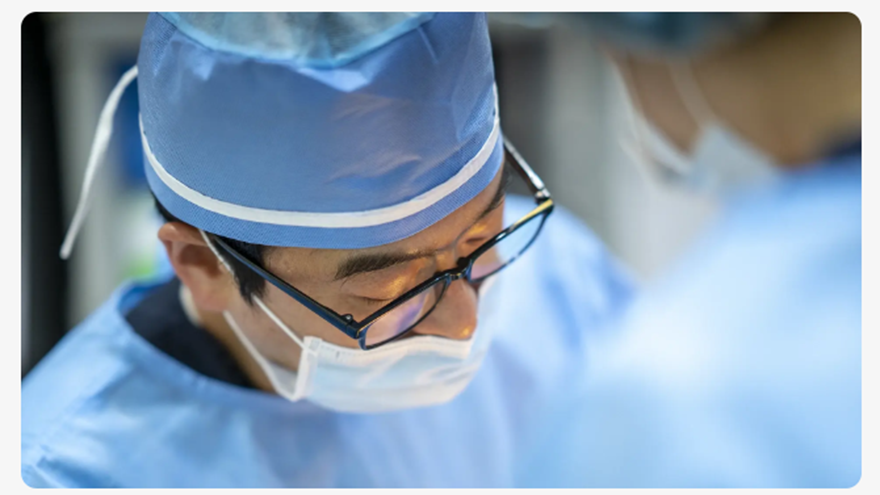
Hump nose correction is performed under the direct care of Hwang Gwi-hwan, who personally manages consultation, surgical planning, and postoperative care.
Dr. Hwang’s approach is based on extensive clinical experience and accumulated anatomical analysis. Instead of applying a uniform technique, he evaluates nasal shape, bridge height, cartilage strength, skin thickness, and facial proportions before determining the surgical method.
This individualized approach is particularly important in hump nose correction, where over-reduction or incomplete correction can compromise both aesthetics and stability.
Preoperative Evaluation and Diagnosis
Before hump nose correction, a detailed preoperative assessment is conducted to understand both external appearance and internal structure. This evaluation typically includes:
- Profile and frontal facial analysis
- Assessment of hump size and location
- Evaluation of nasal tip projection and alignment
- Review of nasal symmetry and balance
Determining whether the hump is primarily bony, cartilaginous, or mixed helps guide surgical planning and material selection.
Surgical Techniques for Hump Nose Correction
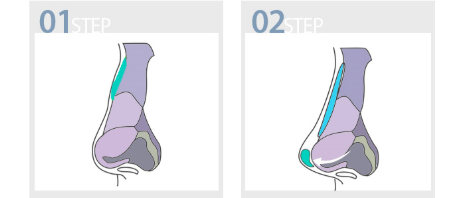
Reduction of the Nasal Hump
The primary goal of hump nose correction is to smooth the dorsal profile by carefully reshaping the protruding bone or cartilage. This process requires precision to avoid irregularities or excessive flattening.
Structural Reinforcement and Balance
After hump reduction, structural balance is essential. In some cases, additional support or contouring is needed to maintain a smooth nasal line and ensure long-term stability.
Combination With Nasal Tip Adjustment
Hump nose correction is often combined with nasal tip refinement to achieve overall harmony. Adjusting the tip projection or angle may be necessary to complement the newly shaped bridge.
The extent of correction is determined based on individual anatomy rather than aesthetic trends.
Anesthesia and Surgery Duration
Hump nose correction is typically performed under sleep anesthesia or local anesthesia, depending on the surgical plan and patient condition.
- Average surgery time: approximately 30 minutes to 2 hours
- Hospital stay: same-day discharge in most cases
The duration may vary depending on the complexity of the hump and whether additional nasal procedures are performed.
Recovery and Postoperative Care
Immediate Postoperative Period
Patients generally return home on the day of surgery. Mild swelling and nasal congestion are common during the early recovery phase.
Recovery Timeline
- Swelling gradually subsides over time
- Splinting or taping may be applied depending on the case
- Sutures, if present, are typically removed within 7 days, or may not be required
- Daily activities can usually be resumed according to individual recovery
Recovery duration varies based on surgical method and individual healing response.
Expected Outcomes of Hump Nose Correction
When hump nose correction is performed with accurate analysis and balanced technique, patients may experience:
- A smoother and more refined nasal profile
- Improved facial harmony from side and front views
- A softer and more natural nasal contour
- Stable results with reduced risk of recurrence
The goal is not to eliminate nasal character, but to refine the nasal line while preserving natural features.
Indications for Hump Nose Correction
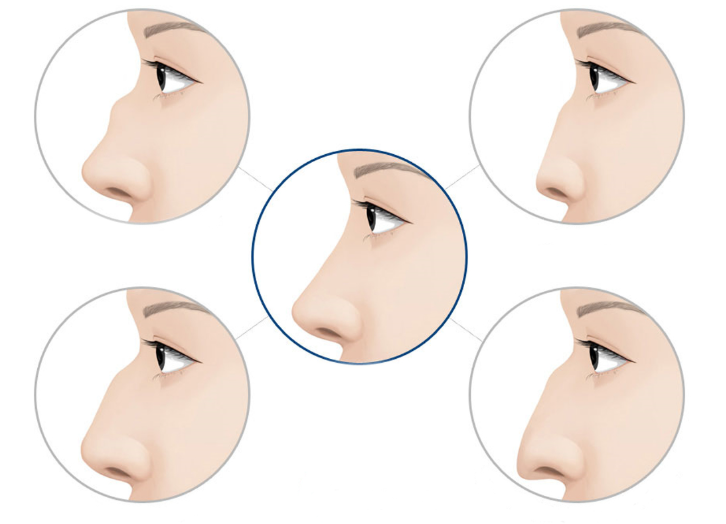
Hump nose correction may be considered for individuals who experience:
- A prominent or uneven nasal bridge
- An overly strong or rigid nasal impression
- Facial imbalance caused by bridge protrusion
- Dissatisfaction with nasal profile after injury
- Desire for a smoother and more harmonious nasal line
Each patient is evaluated individually to determine whether surgical correction is appropriate.
Safety, Hygiene, and Surgical Standards
Patient safety is a fundamental priority at B:ON Plastic Surgery. Hump nose correction is performed under strict standards related to:
- Surgical hygiene and infection control
- Conservative tissue handling
- Anatomically respectful techniques
- Structured postoperative monitoring
These standards help ensure safe recovery and consistent surgical outcomes.
Individualized Design and Long-Term Perspective
Hump nose correction is not a standardized procedure. Variations in nasal structure, skin thickness, and facial proportions require personalized surgical planning.
By focusing on proportion and cause-based correction, the procedure aims to deliver results that remain natural and harmonious over time, rather than reflecting short-term aesthetic trends.
Continuous Clinical Research and Refinement
Ongoing clinical evaluation and academic involvement support continuous refinement of surgical techniques. Accumulated experience and outcome analysis contribute to predictable results and patient satisfaction.
Conclusion
Hump nose correction is a structurally focused rhinoplasty procedure that addresses dorsal nasal prominence through precise analysis and balanced correction. Successful outcomes depend on accurate diagnosis, individualized planning, and experienced surgical execution.
At B:ON Plastic Surgery, hump nose correction is approached as a medically grounded procedure that integrates structural stability with aesthetic harmony. Through careful evaluation and conservative correction, the surgery aims to refine the nasal profile while preserving the patient’s natural facial identity.
Other Services
Explore additional treatments offered by our specialists.

Forehead Lift Surgery
Forehead lift surgery is a facial surgical procedure intended to address age-related changes in the upper face, particularly the forehead, eyebrow region, and the glabellar area between the eyebrows.
Learn More

Breast Surgery
Breast Surgery encompasses a range of procedures designed to improve breast shape, size, symmetry, position, and overall harmony with the body.
Learn More

Jaw Reduction
Jaw reduction surgery is a facial bone contouring procedure designed to soften a wide or angular lower face by reshaping the mandibular angle and jawline.
Learn More