1:1 Personalized Plastic Surgery & International Patient Concierge in Gangnam, Seoul


Fat Grafting (Lipofilling) · Personalized Quote
Hip Fat Grafting
Hip fat grafting is a body contouring procedure designed to improve hip volume, shape, and overall lower-body balance by transferring a patient’s own fat to the hip area.
Schedule a Consultation
Hip fat grafting is a body contouring procedure designed to improve hip volume, shape, and overall lower-body balance by transferring a patient’s own fat to the hip area. The hips play a critical role in defining body proportions, particularly in relation to the waist, thighs, and buttocks. When hip volume is insufficient or uneven, the lower body may appear straight, flat, or disproportionate, even in individuals with an otherwise balanced physique.
At B:ON Plastic Surgery, hip fat grafting surgery is approached as a proportion-focused body contouring procedure rather than a simple volume-adding technique. Treatment planning emphasizes natural curvature, symmetry, and harmony between the hips and surrounding body structures.
The Role of the Hips in Body Proportion
The hip line is a central element of lower-body aesthetics. Its contour influences:
- The waist-to-hip ratio
- Overall body curvature
- Balance between the upper and lower body
- The visual length and alignment of the legs
When hip volume is lacking, the body may appear narrow or straight from both frontal and lateral views. In some individuals, this is due to natural skeletal structure, aging-related volume loss, or weight changes. Hip fat grafting addresses these concerns by restoring volume in a controlled and anatomically appropriate manner.
Indications for Hip Fat Grafting
Hip fat grafting may be considered for individuals who experience:
- Insufficient hip volume leading to a straight body line
- Lack of curvature along the hip silhouette
- Asymmetry between the left and right hips
- Desire for smoother transitions between the waist, hips, and thighs
- Preference for body contouring without implants
A detailed consultation is essential to determine whether hip fat grafting surgery alone is appropriate or whether it should be combined with other body contouring procedures for optimal results.
Principles of Hip Fat Grafting Surgery
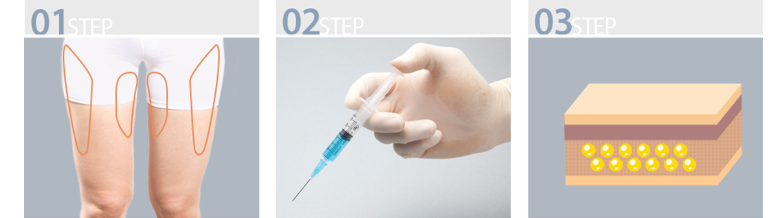
Hip fat grafting utilizes the patient’s own fat tissue, making it a biocompatible and natural method of volume enhancement. The procedure consists of three essential stages:
Fat harvesting from areas with excess fat
Fat purification and processing
Precise fat injection into the hip area
This method avoids the use of artificial implants and supports natural tissue integration.
Fat Harvesting Areas
According to the provided clinical information, fat is commonly harvested from areas such as:
- The lower abdomen
- The outer thighs
- Adjacent regions with localized fat accumulation
Fat harvesting is performed conservatively to preserve body balance. The goal is to collect viable fat cells while simultaneously improving the contour of donor areas.
Fat Processing and Purification
After harvesting, the fat undergoes a purification process to remove excess fluids and damaged cells. This step ensures that only high-quality purified fat is used for grafting, which supports improved fat survival and smoother postoperative contours.
Careful fat processing is a critical factor in achieving stable and long-lasting results after hip fat grafting.
Fat Injection Technique for the Hips
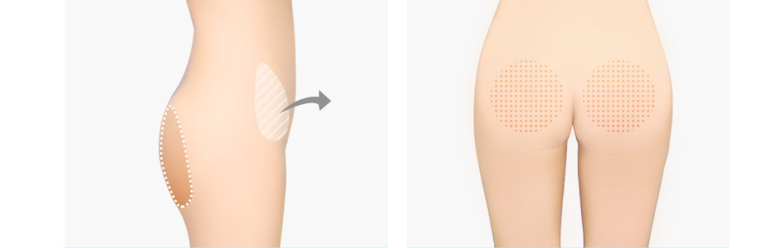
Purified fat is injected into the hip area using a layered and multi-directional technique. Rather than concentrating fat in one location, it is distributed across multiple tissue layers to promote even volume and natural curvature.
This injection method allows for:
- Smooth and continuous hip lines
- Improved lower-body balance
- Reduced risk of contour irregularities
Both the volume and placement of fat are customized based on the patient’s anatomy and aesthetic goals.
Surgical Time, Anesthesia, and Recovery
Based on the provided procedure information, hip fat grafting surgery typically involves:
- Surgical duration: Approximately 2 hours
- Anesthesia: General anesthesia
- Hospitalization: Same-day discharge
- Initial recovery period: About 1–2 weeks
- Suture removal: Around 7 days after surgery
Recovery time may vary depending on the amount of fat harvested and grafted.
Key Characteristics of Hip Fat Grafting at B:ON Plastic Surgery
Use of Autologous Fat
Hip fat grafting uses only the patient’s own fat tissue, eliminating concerns related to foreign materials and supporting natural tissue compatibility.
Emphasis on Natural Hip Lines
Rather than creating excessive volume, the procedure focuses on forming smooth, natural-looking hip contours that complement the patient’s body shape.
Detailed Design and Planning
Surgical planning incorporates body proportions, posture, and curvature, ensuring that fat is injected in a way that enhances balance while maintaining softness and flexibility.
Advantages of Hip Fat Grafting
When appropriately indicated, hip fat grafting surgery may offer several advantages:
- Natural volume enhancement using the patient’s own fat
- Improved hip curvature and body proportion
- Simultaneous contouring of fat donor areas
- No implants or artificial materials
- Potential for long-term results with proper technique
The objective is proportionate enhancement rather than exaggerated volume.
Candidates for Hip Fat Grafting Surgery
Hip fat grafting may be suitable for individuals who:
- Have insufficient hip volume
- Prefer body contouring using their own fat
- Have adequate donor fat available
- Desire improved lower-body balance
- Seek a natural-looking outcome
A comprehensive evaluation is required to assess donor fat availability and overall treatment suitability.
Postoperative Recovery and Care
Following hip fat grafting surgery, swelling and mild discomfort are expected in both the donor and grafted areas. These symptoms gradually improve during the recovery period.
Postoperative care focuses on:
- Swelling management
- Protecting grafted fat during early healing
- Monitoring fat retention and contour changes
- Gradual return to daily activities
Patients are typically advised to avoid excessive pressure on the hip area during early recovery to support fat survival.
Fat Survival and Long-Term Considerations
Not all grafted fat cells survive permanently. A portion of the injected fat is naturally absorbed during healing. For this reason, precise fat handling and injection technique are essential.
Hip fat grafting allows for additional grafting sessions if further volume enhancement is desired, providing flexibility in long-term contour management.
Importance of Surgical Expertise
Hip fat grafting surgery requires technical precision and aesthetic judgment. At B:ON Plastic Surgery, the procedure is performed by Dr. Hwang Ki-hwan, who directly oversees consultation, surgical planning, and postoperative care.
Core principles of the surgical approach include:
- One-to-one individualized consultation
- Proportion-based body analysis
- Careful fat harvesting and injection
- Emphasis on safety and natural results
Each procedure is tailored rather than standardized.
A Patient-Centered Approach to Body Contouring
Hip fat grafting is not simply about adding volume. Overcorrection may result in an unnatural appearance, while insufficient grafting may not achieve the desired contour. Optimal results require a careful balance between volume, shape, and body proportions.
By focusing on natural curvature, proportion, and tissue compatibility, hip fat grafting supports both aesthetic harmony and functional comfort.
Conclusion
Hip fat grafting is a body contouring procedure that enhances hip volume and shape using the patient’s own fat tissue. Through careful fat harvesting, purification, and precise injection, the procedure can improve lower-body balance while maintaining a natural appearance.
At B:ON Plastic Surgery, hip fat grafting is approached as a medically guided, proportion-focused procedure grounded in anatomical analysis and surgical precision. With individualized planning and structured postoperative care, hip fat grafting surgery offers a reliable option for patients seeking refined body contour enhancement through evidence-based treatment.
Other Services
Explore additional treatments offered by our specialists.

Forehead Lift Surgery
Forehead lift surgery is a facial surgical procedure intended to address age-related changes in the upper face, particularly the forehead, eyebrow region, and the glabellar area between the eyebrows.
Learn More

Breast Surgery
Breast Surgery encompasses a range of procedures designed to improve breast shape, size, symmetry, position, and overall harmony with the body.
Learn More

Jaw Reduction
Jaw reduction surgery is a facial bone contouring procedure designed to soften a wide or angular lower face by reshaping the mandibular angle and jawline.
Learn More