1:1 Personalized Plastic Surgery & International Patient Concierge in Gangnam, Seoul


Hair Restoration Surgery · Personalized Quote
Hair Transplant Surgery
Hair transplant surgery is a medical procedure designed to restore hair in areas affected by thinning or hair loss by relocating healthy hair follicles from donor regions to areas of reduced density.
Schedule a Consultation
Understanding Hair Transplant Surgery
Hair transplant surgery is a medical procedure designed to restore hair in areas affected by thinning or hair loss by relocating healthy hair follicles from donor regions to areas of reduced density. Rather than creating new hair, the procedure redistributes existing follicles to achieve a more balanced and natural appearance.
Modern hair transplant surgery emphasizes precision, survival rate of grafts, and natural hairline design, recognizing that successful outcomes depend not only on the number of transplanted follicles but also on their placement, angle, and long-term viability.
Core Principles of Modern Hair Transplantation
Effective hair transplant surgery is guided by several foundational principles:
- Preservation of donor hair quality
- Minimization of follicle damage during harvesting
- Accurate assessment of scalp condition and hair characteristics
- Natural alignment with existing hair direction and growth patterns
Rather than focusing solely on coverage, contemporary techniques aim to achieve density that appears natural under various lighting conditions and viewing angles.
Customized Hairline Design for Natural Results
Individualized Hairline Planning
Hairline design is one of the most critical aspects of hair transplant surgery. A natural-looking hairline is not uniform or linear; it varies according to:
- Facial structure
- Age-related changes
- Forehead shape
- Existing hair density
Customized planning ensures that the transplanted hair integrates seamlessly with the patient’s natural features, avoiding an artificial or overly dense appearance.
Predictive Design for Future Growth
To support long-term naturalness, hair transplant planning accounts for how transplanted hair will grow over time. By anticipating hair direction, density distribution, and maturation patterns, surgeons can design hairlines that remain harmonious as the transplanted hair grows and stabilizes.
High-Density Hair Transplantation and Graft Survival
Focus on Graft Viability
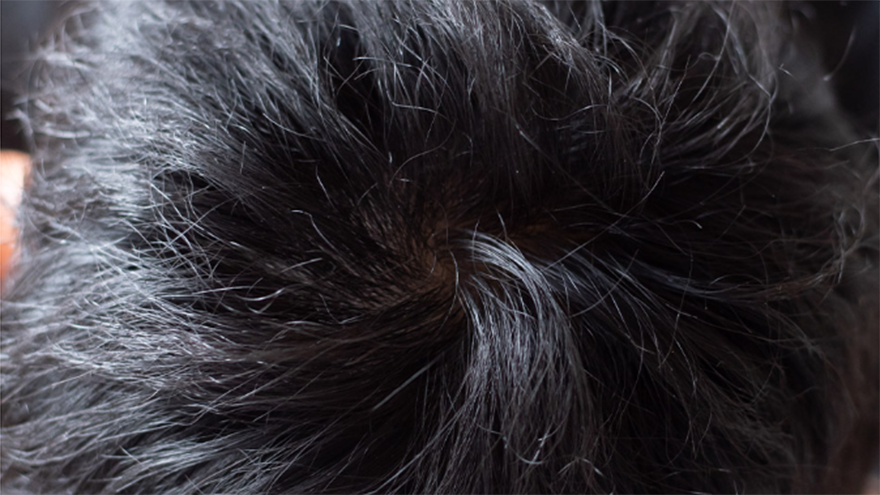
High-density hair transplantation does not simply involve increasing the number of grafts. Instead, it prioritizes maintaining graft health and survival, which is essential for achieving consistent coverage and long-lasting results.
Careful donor selection allows harvesting from areas with strong, healthy follicles while minimizing trauma to surrounding tissues.
Controlled Density Placement
Excessive graft placement in a limited area may compromise blood supply and reduce survival rates. Therefore, density is carefully controlled to ensure optimal nourishment of transplanted follicles and uniform growth.
Donor Area Management
Selective Harvesting
The donor area plays a critical role in hair transplant success. Follicles are harvested selectively from regions with stable growth patterns to preserve overall scalp balance.
By carefully choosing donor zones, surgeons help prevent noticeable thinning or scarring in the donor area while maintaining future treatment options if additional procedures are needed.
Minimizing Donor Site Trauma
Modern techniques aim to reduce damage to surrounding hair follicles during extraction. This approach supports faster healing and preserves the aesthetic appearance of the donor region.
Sterile Technique and Single-Use Instruments
Infection Prevention
Strict adherence to sterile protocols is essential in hair transplant surgery. Single-use surgical instruments help reduce the risk of infection and cross-contamination, supporting patient safety throughout the procedure.
Controlled Surgical Environment
Procedures are conducted in controlled surgical settings, with attention to hygiene, equipment handling, and postoperative wound care to promote optimal healing conditions.
Anesthesia and Surgical Comfort
Hair transplant surgery is typically performed under local anesthesia or sedation, depending on patient needs and procedural scope. This approach allows patients to remain comfortable while minimizing systemic stress.
Close monitoring during surgery supports patient safety and enables precise execution of each procedural step.
Surgical Duration and Recovery Timeline
Procedure Time
The duration of hair transplant surgery varies depending on:
- The number of grafts transplanted
- The size of the treatment area
- Individual scalp characteristics
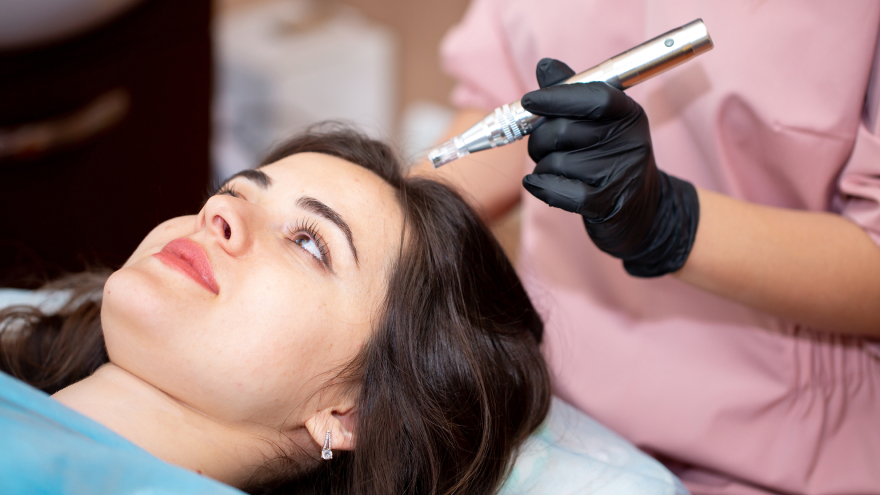
Procedures may take several hours and are commonly completed within a single day.
Postoperative Recovery
- Patients usually return home on the same day
- Mild swelling or redness may occur temporarily
- Stitches or scabs typically resolve within 7–10 days
Most individuals resume daily activities within a few days, following medical guidance.
Postoperative Care and Monitoring
Early Postoperative Management
Early postoperative care focuses on protecting newly transplanted follicles during the critical healing phase. Patients receive guidance on:
- Scalp hygiene
- Activity restrictions
- Managing temporary discomfort
Long-Term Follow-Up
Hair transplant results develop gradually. Regular follow-up allows clinicians to monitor follicle growth, address concerns, and evaluate long-term outcomes.
Natural Growth Cycle After Hair Transplant Surgery
Transplanted hair follows a natural growth cycle:
Initial shedding phase (temporary)
Resting phase
Gradual regrowth over several months
Visible improvement typically begins after a few months, with progressive density improvement over time. Final results are generally evaluated after approximately one year.
Safety Considerations and Risk Management
Hair transplant surgery is considered a low-risk procedure when performed under appropriate medical standards. Key safety measures include:
- Thorough preoperative assessment
- Controlled harvesting techniques
- Strict sterile protocols
- Structured postoperative monitoring
By following established surgical guidelines, complications such as infection or poor graft survival can be minimized.
Candidate Considerations for Hair Transplant Surgery

Hair transplant surgery may be suitable for individuals who:
- Experience patterned hair thinning or localized hair loss
- Have sufficient donor hair density
- Seek natural-looking restoration rather than immediate cosmetic coverage
- Understand the gradual nature of hair regrowth
Proper patient selection is essential for achieving predictable and satisfactory outcomes.
Hair Transplant Surgery as a Long-Term Strategy
Rather than a short-term cosmetic solution, hair transplant surgery is best viewed as a long-term hair restoration strategy. Thoughtful planning ensures that transplanted hair continues to look natural as patients age and as surrounding hair changes.
This long-term perspective guides decisions regarding hairline position, density distribution, and donor hair preservation.
Clinical Standards and Surgical Expertise
At B:ON Plastic Surgery, hair transplant surgery is performed with an emphasis on anatomical understanding, individualized design, and procedural safety. Surgical planning is based on scalp condition, hair characteristics, and long-term aesthetic balance rather than short-term visual density alone.
The clinic’s approach integrates careful assessment, controlled technique selection, and structured postoperative care to support reliable outcomes.
Patient-Centered Approach to Hair Restoration
Hair loss can affect personal confidence and self-image. Hair transplant surgery addresses the physical aspect of hair restoration while prioritizing realistic expectations and informed decision-making.
Clear communication regarding procedural steps, recovery timelines, and expected outcomes is a key component of patient-centered care.
Conclusion
Hair transplant surgery is a medically established procedure that restores hair by redistributing healthy follicles with precision and care. Through customized hairline design, controlled density placement, strict sterile protocols, and thoughtful donor management, modern hair transplantation supports natural-looking, long-lasting results.
When performed under appropriate clinical standards and individualized planning, hair transplant surgery offers a reliable option for patients seeking gradual, natural hair restoration.
Other Services
Explore additional treatments offered by our specialists.
Forehead Lift Surgery
Forehead lift surgery is a facial surgical procedure intended to address age-related changes in the upper face, particularly the forehead, eyebrow region, and the glabellar area between the eyebrows.
Learn More

Breast Surgery
Breast Surgery encompasses a range of procedures designed to improve breast shape, size, symmetry, position, and overall harmony with the body.
Learn More

Jaw Reduction
Jaw reduction surgery is a facial bone contouring procedure designed to soften a wide or angular lower face by reshaping the mandibular angle and jawline.
Learn More