1:1 Personalized Plastic Surgery & International Patient Concierge in Gangnam, Seoul


Upper Eyelid Surgery · Personalized Quote
Canthoplasty
Canthoplasty is a specialized oculoplastic surgical procedure designed to modify the inner or outer corners of the eyes in order to improve eye shape, balance, and functional aesthetics.
Schedule a Consultation
Understanding Canthoplasty
Canthoplasty is a specialized oculoplastic surgical procedure designed to modify the inner or outer corners of the eyes in order to improve eye shape, balance, and functional aesthetics. Unlike eyelid fold surgery, canthoplasty focuses on adjusting the canthal tendons, which play a critical role in determining eye width, eye angle, and overall facial harmony.
At B:ON Plastic Surgery, canthoplasty surgery is approached as a precision-based procedure rather than a standardized cosmetic operation. Even a difference of 1 mm can significantly affect the visual proportions of the eyes, making surgical expertise and anatomical understanding essential for achieving natural and stable outcomes.
Canthoplasty may be considered by individuals who feel their eyes appear narrow, tight, droopy, or overly sharp, or when natural eye proportions do not align well with overall facial features. The procedure may be performed alone or combined with other eye surgeries depending on individual anatomy and clinical evaluation.
Anatomical Basis of Eye Corner Surgery
The appearance of the eyes is determined not only by eyelid skin and muscle but also by the position and tension of the canthal ligaments. These structures anchor the eyelids to the surrounding bone and influence:
- Horizontal eye length
- Eye corner inclination
- Visual openness and brightness
- Perceived softness or sharpness of the gaze
Canthoplasty modifies these anchoring points to adjust eye shape in a controlled and anatomical manner. Because the procedure directly affects structural support, accurate diagnosis and meticulous technique are essential to avoid overcorrection, asymmetry, or unnatural results.
Types of Canthoplasty Procedures
Anterior (Medial) Canthoplasty
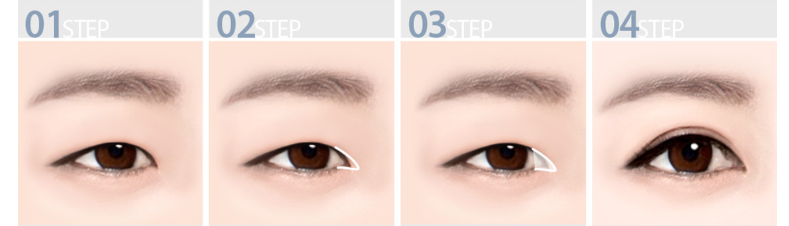
Anterior canthoplasty focuses on the inner corners of the eyes. It is considered when the medial canthus contributes to a closed or congested appearance, often related to soft tissue folds or spacing concerns between the eyes.
By addressing the medial canthal structures, this technique can help improve eye openness and balance while preserving natural contours. Precise planning is required to minimize visible scarring and maintain long-term symmetry.
Posterior (Lateral) Canthoplasty
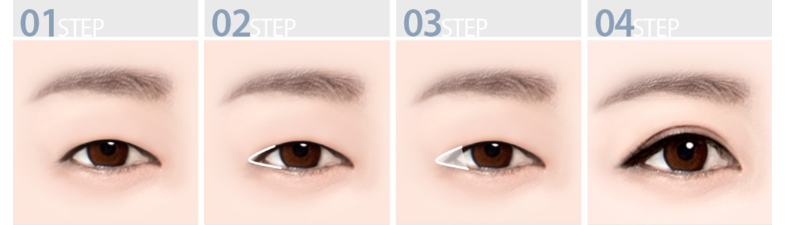
Posterior canthoplasty, also known as lateral canthoplasty, targets the outer corners of the eyes. This approach is often used when the eyes appear short horizontally, overly upturned, or tense.
By adjusting the lateral canthal tendon, posterior canthoplasty can lengthen the eye horizontally and soften the overall expression. When performed correctly, it creates a more open and calm eye appearance without altering the patient’s natural identity.
Surgical Philosophy at B:ON Plastic Surgery

At B:ON Plastic Surgery, canthoplasty is treated as an individualized medical procedure, not a trend-based cosmetic operation. Surgical planning is based on detailed facial and ocular analysis rather than fixed measurements.
The clinic’s surgical philosophy emphasizes:
- Anatomical precision over excessive correction
- Natural-looking results rather than dramatic change
- Structural stability to reduce recurrence
- Long-term balance with overall facial features
Rather than modifying the eyes in isolation, each canthoplasty plan considers eye width, eye height, eyelid thickness, orbital anatomy, and facial proportions.
Surgeon Expertise and Clinical Experience
The outcome of canthoplasty surgery is highly dependent on the surgeon’s experience due to the complexity of canthal anatomy. At B:ON Plastic Surgery, procedures are led by Dr. Hwang Gwi-hwan, who personally oversees consultation, surgical design, and postoperative care.
Dr. Hwang’s approach is grounded in extensive clinical experience, accumulated case analysis, and continuous academic involvement. His surgical decisions are based on patient-specific anatomy rather than standardized formulas, allowing refined adjustments that support natural and stable outcomes.
This experience-driven approach is particularly important for canthoplasty, where subtle variations in technique can significantly affect results.
Canthoplasty Combined With Other Eye Surgeries
Canthoplasty may be performed as a standalone procedure or in combination with other eye surgeries, such as double eyelid surgery, depending on the patient’s anatomical needs.
When combined procedures are planned, the objective is not to increase surgical extent but to create a balanced and cohesive eye appearance. Canthoplasty may enhance eye proportions when eyelid surgery alone does not sufficiently address horizontal length or eye corner positioning.
Careful coordination of surgical steps is required to maintain appropriate tension, healing, and symmetry.
Canthoplasty Surgical Process
Preoperative Evaluation
Before surgery, patients undergo a comprehensive consultation that includes:
- Assessment of eye shape and symmetry
- Evaluation of canthal tendon position and stability
- Analysis of facial proportions
- Discussion of realistic surgical outcomes
Design planning is customized to each individual rather than following a uniform template.
Anesthesia and Surgery Time
Canthoplasty is typically performed under local or minimal anesthesia.
The average surgical time ranges from 30 minutes to 1 hour, depending on the complexity of the procedure and whether additional surgeries are performed.
Surgical Technique
The procedure involves controlled incision, precise tendon adjustment, and stable fixation. Incisions are placed strategically to minimize visible scarring, and suturing techniques are selected to support long-term structural stability.
Recovery and Postoperative Care After Canthoplasty
Immediate Recovery
Patients usually return home on the same day of surgery. Mild swelling and temporary discomfort may occur during the early recovery phase.
Recovery Timeline
- Initial swelling typically improves within several days
- Daily activities may resume relatively quickly
- Stitches are generally removed within 5 days
- Full stabilization develops gradually over time
Postoperative care focuses on protecting the surgical area, minimizing tension, and supporting natural healing.
Expected Outcomes and Long-Term Stability

When performed with proper fixation and technique, canthoplasty results are designed to remain stable over time. Advances in surgical methods have contributed to reduced recurrence rates compared to earlier techniques.
The goal is not excessive enlargement but a balanced, comfortable eye appearance that integrates naturally with facial features.
Indications for Canthoplasty Surgery
Canthoplasty may be considered in individuals who experience:
- Narrow or constricted eye appearance
- Eyes that appear overly sharp or tense
- Imbalance between eye width and facial proportions
- Limited improvement from eyelid surgery alone
- Desire for a softer and more open eye expression
Each case is evaluated individually to determine suitability.
Safety, Hygiene, and Surgical Standards
Patient safety is a foundational principle at B:ON Plastic Surgery. The clinic emphasizes:
- Strict infection control and hygiene protocols
- Minimally invasive techniques where appropriate
- Conservative tissue handling
- Structured postoperative follow-up
Surgical decisions prioritize anatomical preservation and patient safety over aggressive modification.
Individualized Design and Patient-Centered Care
No two eyes are identical, even within the same individual. For this reason, customized canthoplasty design is essential.
Patients receive detailed explanations regarding surgical limitations, expected outcomes, and recovery considerations to support informed decision-making.
Continuous Research and Academic Involvement
Clinical experience alone is not considered sufficient for surgical excellence. Continuous research, academic activity, and outcome analysis remain integral to maintaining consistent surgical standards.
Ongoing refinement of techniques contributes to predictable results and long-term patient satisfaction.
Conclusion
Canthoplasty is a structurally sensitive eye surgery that requires precise anatomical understanding, individualized planning, and experienced surgical execution. When performed appropriately, it can improve eye balance, openness, and facial harmony while preserving natural expression.
At B:ON Plastic Surgery, canthoplasty is approached as a medical procedure grounded in experience, safety, and anatomical respect, aiming to deliver stable, natural-looking outcomes tailored to each patient’s unique features.
Other Services
Explore additional treatments offered by our specialists.

Forehead Lift Surgery
Forehead lift surgery is a facial surgical procedure intended to address age-related changes in the upper face, particularly the forehead, eyebrow region, and the glabellar area between the eyebrows.
Learn More

Breast Surgery
Breast Surgery encompasses a range of procedures designed to improve breast shape, size, symmetry, position, and overall harmony with the body.
Learn More

Jaw Reduction
Jaw reduction surgery is a facial bone contouring procedure designed to soften a wide or angular lower face by reshaping the mandibular angle and jawline.
Learn More