1:1 Personalized Plastic Surgery & International Patient Concierge in Gangnam, Seoul


Medical Guide
Facelift Recovery Week by Week: Seoul Guide - B:ON Plastic Surgery
Planning your facelift recovery timeline week by week? B:ON Plastic Surgery's complete Day 1–Month 3 Seoul guide covers swelling, flying home, and returning to work.
Schedule a ConsultationIntroduction
You have already done the research. You know what a SMAS facelift is, you understand the results, and you are close to making the decision to travel to B:ON Plastic Surgery in Seoul. What you need now is not more before-and-after photos. What you need is an honest, detailed answer to the question every serious candidate eventually asks: what will the next 12 weeks of my life actually look like?
This guide walks you through the complete facelift recovery timeline week by week, from the moment you wake up in the recovery room in Gangnam to the day you walk back into a board meeting in New York, a client showing in Miami, or a strategy session in Los Angeles. Most recovery content is written for patients who live down the street from their surgeon. American patients at B:ON Plastic Surgery face a more complex arc: they recover in Seoul, fly more than 14 hours home, and manage the remainder of their healing without local surgical access. This guide addresses all of it, directly and honestly.
By the end of this article you will know exactly what to expect from Day 1 through Month 3 of facelift recovery at B:ON Plastic Surgery, when it is medically safe to fly home from Seoul, what the swelling and bruising progression looks like week by week, when you can return to professional life without visible signs of surgery, and how B:ON Plastic Surgery supports you through a structured virtual follow-up program once you are home in the United States.
Dr. Hwang Gwi Hwan, board-certified plastic surgeon and founder of B:ON Plastic Surgery, has guided American patients from New York, Los Angeles, and Miami through this precise recovery journey for over 25 years. This guide reflects his clinical protocol, his expertise in SMAS facelift recovery, and the real experience of international patients who have completed this arc before you.

Facelift Day by Day in Korea: Your First 72 Hours at B:ON Plastic Surgery
The first 72 hours of facelift recovery are the ones that generate the most fear among international patients, and also the ones that are most poorly documented in standard recovery content. What follows is a precise, hour-by-hour and day-by-day account of what the facelift day by day in Korea experience looks like at B:ON Plastic Surgery, covering the period most patients describe as the hardest to navigate emotionally.
Surgery Day: What Happens After You Wake Up
You wake up in the recovery room at B:ON Plastic Surgery in Gangnam. English-speaking nursing staff are present from the moment you regain consciousness. The immediate sensations are tightness across the face and neck, mild grogginess from anesthesia, and a general heaviness that most patients describe as pressure rather than sharp pain.
Your face will be wrapped in dressings and a compression garment designed to minimize swelling and support the healing tissues. If drainage tubes were placed during your SMAS facelift recovery procedure, they are typically present at this stage and will be removed within 24 to 48 hours. Pain management is handled with prescribed oral medication, and the nursing team monitors your vital signs and comfort level throughout the immediate post-operative period. Most patients are surprised to find the experience of waking up more manageable than they anticipated.
Day 1: Rest, Monitoring, and Managing Expectations
Day 1 is a day of rest and observation. You remain under clinical monitoring at or near B:ON Plastic Surgery while your body begins the initial phase of healing. Swelling begins to develop significantly on Day 1, and bruising typically appears around the jaw, neck, and ear area. Both are expected and are signs that the healing process is working exactly as it should.
The single most important physical instruction on Day 1 is head elevation. Your head must be kept at 30 to 45 degrees at all times, including during sleep. This position reduces blood pooling in the facial tissues and is directly linked to how quickly swelling resolves. B:ON Plastic Surgery nursing staff apply ice packs and cooling protocols as part of the standard Day 1 care regimen.
Emotionally, Day 1 is difficult. The reflection you see does not resemble the result you came to Seoul for, and that is entirely normal. This is not how you will look in two weeks, in one month, or at the three-month mark. It is the beginning of a process, not a preview of the outcome.
Days 2 to 3: First Check-Up and Drain Removal
Your first post-operative check with Dr. Hwang Gwi Hwan or the B:ON Plastic Surgery clinical team takes place within the first 48 to 72 hours. Drainage tubes are typically removed at this appointment, and dressings are changed following a wound inspection. The incision lines are examined for normal healing progression.
Activity remains limited: no bending, lifting, or straining, minimal facial expression, and a soft or liquid diet. Short supervised walking within the clinic or your nearby accommodation is typically permitted by Day 2 to 3. Pain remains manageable with oral medication at this stage, and most patients report that the emotional challenge of this period is greater than the physical discomfort.
What to watch for versus what is normal is an important distinction. Some tightness and pulling sensation is expected. If you experience sudden swelling on one side, a significant increase in pain, or any unusual warmth or redness, contact the B:ON Plastic Surgery team immediately. These are the signals worth reporting; general swelling, bruising, and discomfort are not.
Facelift Recovery Timeline Week by Week: Week 1 — The Healing Foundation
Week 1 is where the facelift recovery timeline week by week earns its reputation as the most demanding phase of the entire process. Understanding what to expect at each stage of this week, and why each stage looks the way it does, makes the experience significantly less distressing.
Days 4 to 5: Swelling Peak and Bruising Progression
Swelling typically peaks between Days 3 and 5. This is not a sign of a complication; it is the predictable physiological response to the surgical work that was performed beneath the surface of the skin. SMAS facelift recovery involves deep tissue work and lymphatic system involvement, which is why edema (swelling) and ecchymosis (bruising) reach their maximum intensity at this point rather than immediately after surgery.
By Days 4 to 5, bruising begins shifting in color from deep purple toward yellow and green. This color transition is a reliable indicator of normal healing progression. The stitches remain in place and should not be touched or pulled. Gentle cleansing protocols, as directed by the B:ON Plastic Surgery team, can typically begin during this phase.
Head elevation remains essential: 30 to 45 degrees at all times. Light movement within your accommodation is permitted, but no outdoor exertion, no lifting, and no activities that raise blood pressure. This is the hardest visual phase of the entire recovery. The results are genuinely not yet visible, and no photograph taken on Day 5 should be used as an indicator of the final outcome.
Day-by-Day Recovery Progression: Days 1 to 7
Day | Swelling Level | Bruising Level | Activity Permitted |
|---|---|---|---|
Day 1 | Moderate | Minimal | Bed rest, supervised |
Days 2 to 3 | Increasing | Developing | Light movement in room |
Days 4 to 5 | Peak | Peak color | Light walking indoors |
Days 6 to 7 | Beginning to reduce | Fading | Short outdoor walks |
Days 6 to 7: Stitches Removal and First Visible Improvement
Stitches at B:ON Plastic Surgery are typically removed between Days 6 and 10, depending on individual healing. The facelift stitches removal timeline is not uniform across all patients; your surgeon will assess the incision lines at the check-up appointment and determine the appropriate timing for your specific case.
By Days 6 to 7, many patients see the first glimpse of their result beginning to emerge. The swelling begins to visibly reduce, the bruising is fading, and the new contour of the jawline and neck starts to become perceptible beneath the residual swelling. Incision lines are visible at this stage and are placed along the hairline and behind the ear, but they are clean and healing appropriately.
The compression garment remains in place during Week 1. You will receive specific instructions from B:ON Plastic Surgery regarding when to transition from the in-clinic garment to a home compression option for the remainder of recovery.
Most American patients remain in Seoul through the end of Week 1. The question of when to fly home is addressed in detail in the flying section below.
Facelift Recovery Week by Week Photos: Weeks 2 to 4 — Visible Progress
Weeks 2 through 4 represent the transition phase: from the clinic in Gangnam to your home in New York, Los Angeles, or Miami, and from concealment mode to gradual social and professional re-entry. The facelift recovery week by week photos from this period show a transformation that is genuinely encouraging after the intensity of Week 1.
Week 2: The Transition Home and First Public Appearance
Most B:ON Plastic Surgery American patients fly home during Week 2, typically between Days 8 and 14. The flying home protocol is addressed in detail in the next section. For now, the key takeaway is that Week 2 is when the recovery transitions from an in-Seoul experience to an at-home one.
What do patients look like at Week 2? Swelling is significantly reduced compared to the peak at Days 4 to 5, though still visible. Bruising is fading rapidly and is largely concealable with makeup for many patients by Day 10 to 12. For those whose facelift recovery week by week photos include this stage, the change from Week 1 is striking.
Practical guidance for Week 2 includes the following points. Hair washing can typically begin around this stage with gentle technique and surgeon approval. Light coverage makeup on healed incision areas is generally permitted from Day 10 to 14, again with B:ON Plastic Surgery approval. Sunglasses and lightweight scarves are practical tools for discretion during errands and low-key social activity. Most patients are comfortable resuming light outdoor activity and running errands by the end of Week 2.
Weeks 3 to 4: Returning to Professional Life
Week 3 marks the point at which most patients whose work does not involve heavy physical activity or high-definition video production can return to work. Remote work is typically comfortable from the end of Week 2. Office-based work, including client-facing roles, is generally appropriate by Week 3 to 4 for most patients.
By Week 4, the majority of B:ON Plastic Surgery patients are back in professional environments. Residual swelling at this stage is mild and typically unnoticeable to colleagues who were not aware of the procedure. What remains visible at Week 4 is subtle swelling in the cheek area, mild firmness in the neck, and incision lines that are still pink but continuing to fade. The facelift recovery week by week photos from this period show a result that is meaningful and visible.
For those in board-level or executive roles, Week 4 is typically when client presentations and high-visibility professional situations feel comfortable again. For those in client-facing real estate or sales roles, Week 3 to 4 with makeup coverage is a reasonable target for in-person showings and professional photography.
Exercise guidance: light walking is permitted from Week 2. Gym workouts and cardiovascular training should be avoided until Week 4 to 6, with surgeon clearance. Heavy lifting restrictions remain in place until Week 6.
Week-by-Week Recovery Milestone Summary
Week / Month | Recovery Stage | Appearance | Activity Level | Professional Re-Entry |
|---|---|---|---|---|
Week 1 | Peak swelling | Significant bruising and swelling | Rest, limited movement | Not appropriate |
Week 2 | Rapid improvement | Bruising fading, makeup possible | Light activity, errands | Remote work possible |
Weeks 3 to 4 | Visible progress | Subtle residual swelling | Normal daily activity | Most professional roles |
Month 2 | Near-final result | Minor traces of healing | Full activity, most exercise | All professional contexts |
Month 3 | Final result | Result settled, scars fading | Complete return to normal | All contexts including photography |
When Can You Fly Home? Flying from Seoul to the US After Facelift Surgery
The question of when to fly home is the single most logistics-critical question in this entire guide. For American patients at B:ON Plastic Surgery, the answer requires precision rather than generalizations. Flying from Seoul to New York, Los Angeles, or Miami after a SMAS facelift involves flights ranging from approximately 11.5 to 16 or more hours, and the planning required is specific to the procedure, the individual, and the destination.
This section fills a significant gap: 14 out of 15 competitor articles on facelift recovery say nothing meaningful about flying home after surgery, and none of them address the Seoul-to-US journey specifically.
B:ON Plastic Surgery's Flying Protocol for International Patients
B:ON Plastic Surgery recommends a minimum stay of 7 to 10 days in Seoul following surgery before flying. The optimal stay is 10 to 14 days, which allows for stitches removal, first follow-up review, and a clinical assessment of healing before departure. This extended stay is strongly recommended for American patients because it reduces the risk associated with mid-flight complications and ensures that you depart with a fully documented medical clearance.
Why flying too early is risky: aircraft cabin pressure changes cause minor fluid shifts in the body, and these can temporarily increase facial swelling in post-operative patients. Cabin air is also dehydrating, which affects tissue healing. Perhaps most importantly, if something requires medical attention during a 14-hour flight, your options are extremely limited.
B:ON Plastic Surgery provides written medical clearance documentation for every flying international patient. This document should be carried with you and is a reference point if airline staff or a medical professional at a layover airport asks about your condition. Carry a compressed summary of your procedure, the prescriptions you were given in Seoul, and B:ON Plastic Surgery's contact information.
Seat selection matters medically: business class or premium economy is strongly preferred because the ability to recline and elevate your head throughout the flight is directly relevant to swelling management. If business class is not feasible, a window seat in premium economy is the next best option, as it reduces disruption and allows you to control your resting position more effectively.
Managing the 14-Hour Flight: Practical Guidance
Hydration during the flight is a clinical priority, not a comfort preference. Drink water consistently throughout the journey and avoid alcohol entirely. Alcohol causes vasodilation, which can increase swelling and slow healing in the early post-operative period.
Use a travel pillow to maintain approximately 30-degree head elevation throughout the flight. Your facial compression garment should be worn during the journey. Compression socks for DVT prevention are also recommended on long-haul flights, particularly in the early post-operative period when mobility is reduced.
What to watch for during the flight: sudden asymmetric swelling, significant increase in pain, or any sensation that is clearly different from the expected discomfort of post-operative healing. If you experience any of these, notify flight crew and seek medical attention at the next available opportunity. These are edge cases, not the norm, but knowing the threshold is important.
When you arrive home, expect a mild temporary increase in swelling from the flight. This is normal, resolves within 24 to 48 hours with proper elevation and hydration, and does not indicate a problem with healing. Resume the B:ON Plastic Surgery aftercare protocol immediately upon arrival.
On the Seoul to US time difference: Seoul is 13 to 16 hours ahead of the United States depending on your city and the time of year. For urgent concerns, contact B:ON Plastic Surgery via WhatsApp and note your time zone. For genuine medical emergencies after returning home, seek local US emergency care immediately and contact B:ON Plastic Surgery to inform the team of the situation.
For more on the logistics of planning your journey, see our related guide on how long to stay in Seoul after facelift and flying to Seoul for facelift surgery.
Flying Home from Seoul: City-Specific Guidance
US City | Flight Duration | Recommended Minimum Stay in Seoul | B:ON Plastic Surgery Flying Clearance |
|---|---|---|---|
New York (JFK) | Approximately 14 hours | 10 to 14 days | Written clearance provided |
Los Angeles (LAX) | Approximately 11.5 hours | 10 to 14 days | Written clearance provided |
Miami (MIA) | 16 or more hours (via connection) | 10 to 14 days | Written clearance provided |
Facelift Recovery Timeline: Months 1 to 3 — Final Results Emerge
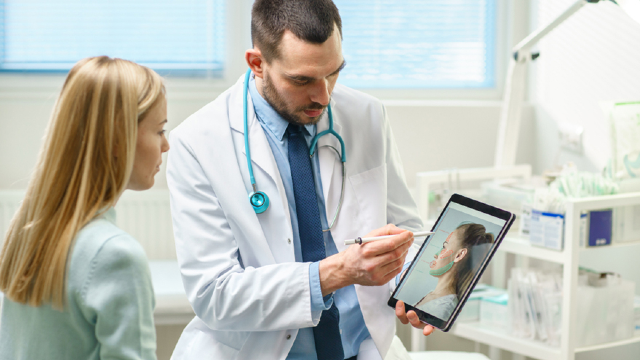
Months 1 through 3 are where the facelift recovery timeline week by week transitions from management to reward. The most demanding phase of the process is behind you, and the result you traveled to Seoul for begins to settle into its final form.
Month 1: The Transformation Becomes Visible
By the end of Month 1, approximately 70 to 80 percent of swelling has resolved. Bruising is fully gone for most patients by Week 3 to 4. The facial contours that were obscured in the first two weeks are now clearly visible, and for the majority of patients this is the moment when the emotional reality of the decision fully lands: the result is real, and it is better than they expected.
Numbness and tingling in the cheeks, jaw, and neck area are normal sensory changes during this phase. These occur as the nerves that were moved during the procedure begin to heal and re-establish function. They typically resolve progressively over Months 2 to 6 and do not indicate a permanent change to sensation in most cases.
Scar appearance at Month 1: incision lines are pink and visible on close inspection, but they are positioned along the natural hairline and behind the ear, and they are not visible in normal social or professional settings. Facelift scarring healing is a gradual process that continues well into Month 3 and beyond. Most patients return to exercise with surgeon clearance at the six-week mark.
The emotional milestone of Month 1 is significant. Patients who expressed serious doubts during the Week 1 period almost universally describe Month 1 as the point where they felt confident the decision had been the right one.
Months 2 to 3: Final Results and Scar Maturation
At Month 2, approximately 90 percent of the final result is visible. Deep tissue swelling continues to resolve slowly, and the skin and underlying structures continue to settle. The jawline, neck contour, and nasolabial fold correction are all clearly apparent by this stage.
Month 3 is the clinical milestone for presenting results as near-final. This is when B:ON Plastic Surgery typically conducts the final international patient video consultation and when before-and-after photography is taken to document the outcome. The facelift results at Month 3 represent the result the procedure was designed to deliver.
Scar maturation during this phase involves the transition from pink to a flesh-colored tone that increasingly blends with the surrounding skin. B:ON Plastic Surgery provides a silicone scar treatment protocol for patients whose scars benefit from additional support during this phase. Skin sensation is largely restored by Month 3, with final sensory resolution in some patients extending to six to twelve months post-surgery.
Recovering at Home in the US: B:ON Plastic Surgery's Virtual Follow-Up Protocol
The most persistent concern among American patients considering surgery in Seoul is not the procedure itself and it is not the recovery in Korea. It is the question of what happens once they fly home and no longer have direct access to their surgeon. This section addresses that concern in full.
The [B:ON Plastic Surgery aftercare protocol] is designed specifically to bridge the geographic gap between Seoul and the United States. It is not an informal check-in system; it is a structured, scheduled program with defined touchpoints, direct communication access, and coordinated documentation for your US physician.
B:ON Plastic Surgery's Structured Virtual Follow-Up Program
The virtual follow-up program includes three scheduled video consultations: at Week 2, Month 1, and Month 3. These appointments are conducted with Dr. Hwang Gwi Hwan or a senior member of the B:ON Plastic Surgery clinical team. They are not brief check-ins; they are structured clinical reviews of your healing progress.
Between scheduled appointments, you have direct WhatsApp access to the B:ON Plastic Surgery international patient team. This channel is used for photo submissions, questions about your healing, medication or care instruction clarifications, and any concerns that arise during the recovery period. The team provides clear guidance on response time commitments so you know what to expect.
Before you leave Seoul, you receive a comprehensive written post-operative care document in English. This document covers wound care, dietary guidance, activity restrictions, scar management, warning signs to watch for, and the complete schedule for your virtual follow-ups. It is also designed to serve as a reference for any US medical professional you consult during the recovery period.
Virtual Follow-Up Schedule
Follow-Up Stage | Timing | Format | Purpose |
|---|---|---|---|
First check | Week 2 post-surgery | Video call | Review early healing, address transition concerns |
Mid-point review | Month 1 | Video call | Assess swelling resolution, scar management, activity guidance |
Final review | Month 3 | Video call | Document final result, address any remaining questions |
Between appointments | As needed | WhatsApp photo and message | Ongoing support and guidance |
Coordinating with Your US Physician
B:ON Plastic Surgery provides a full post-operative medical summary document for the patient's US physician. This document covers the procedure performed, the techniques used, the materials involved, and the prescriptions provided in Seoul. It is formatted for a medical professional and provides the clinical foundation for any US-based follow-up care.
A clear framework for when to seek local US care versus when to contact B:ON Plastic Surgery is part of the pre-departure briefing every international patient receives. For concerns that are urgent or involve symptoms outside the expected recovery arc, seek local medical attention first and contact B:ON Plastic Surgery to inform the team. For questions about normal healing progression, healing timelines, or care instructions, WhatsApp the B:ON Plastic Surgery international team.
If you have a relationship with a local dermatologist or plastic surgeon in the US and want them involved in monitoring your recovery, B:ON Plastic Surgery can communicate directly with that physician if you arrange the introduction. This coordination is actively supported, not discouraged.
Why Choose B:ON Plastic Surgery for Facelift Recovery in Korea
Facelift recovery Korea is an experience that differs meaningfully from recovering at a domestic clinic, and it differs from recovering at other clinics in Seoul. The differentiating factors at B:ON Plastic Surgery are not marketing claims; they are structural features of how the clinic is built and how Dr. Hwang Gwi Hwan has designed the international patient program over 25 years.
Dr. Hwang Gwi Hwan's Expertise and Experience
Dr. Hwang Gwi Hwan is a board-certified plastic surgeon with 25 or more years of experience in facial lifting and rejuvenation. He performs more than 200 facelift and facial rejuvenation procedures annually and is the founder of B:ON Plastic Surgery in Gangnam-gu, Seoul. He is recognized as a first-generation facelift specialist and his clinical focus is exclusively facial lifting and rejuvenation rather than general cosmetic surgery.
This specialization matters during recovery. When Dr. Hwang monitors your healing, he is assessing outcomes he has guided hundreds of times before, and he is doing so against a clinical baseline built from thousands of SMAS facelift recovery progressions. American, European, and international patients have been supported through the complete facelift recovery arc at B:ON Plastic Surgery, and the program described in this guide reflects that accumulated experience.
Facelift Recovery in Korea: The B:ON Plastic Surgery Difference
Recovery at B:ON Plastic Surgery is surgeon-led. Dr. Hwang personally reviews international patient progress photographs and is directly involved in the virtual follow-up program. Recovery monitoring is not delegated to junior staff or handled administratively.
The B:ON Plastic Surgery facility is located in Gangnam, Seoul, one of the most medically advanced districts in Asia. World-class emergency medical facilities are within close proximity for the duration of your in-Seoul recovery stay. The English-speaking patient coordination team is available throughout your stay in Korea, from arrival through departure.
Before you leave Seoul, you receive a personalized departure checklist and recovery protocol tailored to your specific procedure, your healing progression to that point, and your home city and professional timeline. This is not a generic aftercare sheet; it is a document built around your situation.
For patients evaluating the total cost of the experience, including the quality of the outcome relative to the investment, our guide on facelift cost Seoul vs United States provides a detailed comparison of what the same procedure costs in New York, Beverly Hills, and Miami.
International Patient Support at B:ON Plastic Surgery
The B:ON Plastic Surgery international patient support program covers the full journey from first inquiry through the three-month follow-up. A dedicated international patient coordinator serves as the primary point of contact for US-based patients, handling accommodation recommendations near the clinic, transport guidance, a recovery supply checklist, and all communication logistics.
Languages available include English. Communication channels include WhatsApp, email, and video call. The team accommodates US time zones for consultation scheduling.
How to Book Your Facelift at B:ON Plastic Surgery
Step 1: Schedule Your Virtual Consultation
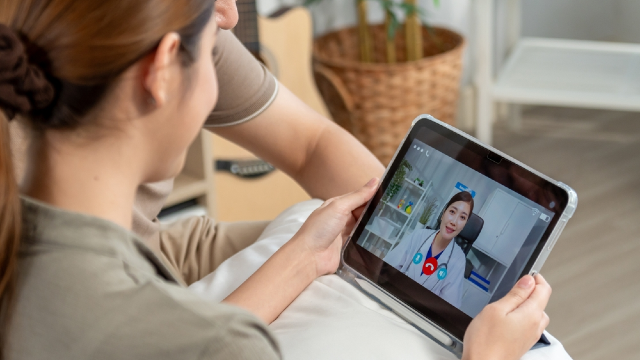
B:ON Plastic Surgery offers a free virtual consultation via Zoom or WhatsApp Video. The consultation covers your specific cosmetic concerns, procedure suitability, a discussion of the complete recovery timeline, and the logistics of planning your travel and stay in Seoul. Consultations are scheduled to accommodate US time zones across New York, Los Angeles, and Miami.
To book your consultation: [link / phone / WhatsApp]
Step 2: Receive Your Personalized Treatment Plan
Following your consultation, you receive a personalized surgical and recovery plan. This plan includes full pricing transparency with no hidden fees, a recovery timeline mapped to your specific US city, professional context, and travel constraints, and a clear picture of what the complete experience will look like from the day you arrive in Seoul through Month 3 at home.
Contact Information
- Phone: 9
- WhatsApp: Click Here
- Email: bonps2017@gmail.com
- Website: www.bon-plasticsurgery.com
- Location: Gangnam-gu, Seoul, South Korea
- 🕐 Virtual consultations : The clinic operates with a consistent opening time of 9:45 am throughout the week. From Monday to Friday, they typically close at 7:00 pm, with the exception of Wednesday, when they offer extended evening hours until 9:00 pm. On Saturdays, the clinic provides shorter service hours from 9:45 am to 4:00 pm, and they remain closed all day on Sunday.
Conclusion
The facelift recovery timeline week by week follows a predictable and manageable arc for American patients at B:ON Plastic Surgery. Peak swelling arrives between Days 3 and 5, meaningful visible improvement is apparent by Week 2 to 3, professional re-entry is appropriate for most patients by Week 3 to 4, and final results are visible at Month 3. Every stage of this process has been mapped, documented, and guided by Dr. Hwang Gwi Hwan through hundreds of international patient recoveries.
American patients benefit from a structured, English-supported in-Seoul recovery stay of 10 to 14 days before flying home. The geographic distance from Seoul to New York, Los Angeles, or Miami is not a barrier to excellent aftercare. B:ON Plastic Surgery's virtual follow-up protocol maintains surgeon-level monitoring through every stage of recovery in the United States, from the Week 2 video check-in through the Month 3 final review.
Every American patient who has completed the B:ON Plastic Surgery facelift recovery arc has had access to the same surgeon-led, structured support system described in this guide. From waking up in Gangnam to walking back into their professional life in the United States, they have not managed this process alone.
If you are planning your facelift at B:ON Plastic Surgery and want to build your personal recovery timeline around your professional schedule and travel logistics, Schedule your free virtual consultation with Dr. Hwang Gwi Hwan's team today. Contact B:ON Plastic Surgery via WhatsApp, email, or the consultation booking page. The international patient coordination team is ready in English to build your complete Seoul-to-home recovery plan.
About the Author
Dr. Hwang Gwi Hwan, Board-Certified Plastic Surgeon
Founder and Lead Surgeon, B:ON Plastic Surgery, Gangnam-gu, Seoul, South Korea. Dr. Hwang brings 25 or more years of experience in facial lifting and rejuvenation, performing more than 200 facelift and facial rejuvenation procedures annually. He is a first-generation facelift specialist and recognized expert in SMAS and advanced facial rejuvenation techniques, with extensive experience supporting American and international patients through the complete recovery arc.
For consultations or inquiries: | bonps2017@gmail.com | www.bon-plasticsurgery.com
More Articles
Continue reading our clinical guides.

Endoscopic Forehead Lift Seoul - B:ON Plastic Surgery
Considering an endoscopic forehead lift in Seoul? B:ON Plastic Surgery delivers minimally invasive brow lifting with 25+ years of expertise. Book your free consultation today.
Learn More

Facial Contouring Seoul Korea - B:ON Plastic Surgery 2026
Expert facial contouring in Seoul, Korea - cheekbone reduction, chin correction & jaw surgery at B:ON Plastic Surgery. Natural results. Free US consultation available.
Learn More
SMAS Facelift Cost: Seoul vs USA 2026 - B:ON Plastic Surgery
Compare SMAS facelift cost in Seoul vs New York, LA & Beverly Hills for 2026. See what's included, what's not, and why B:ON Plastic Surgery delivers superior value.
Learn More